
Insects on the Menu: A Sustainable Food Source in Aotearoa?
Entomology, Biology| Ella Davis
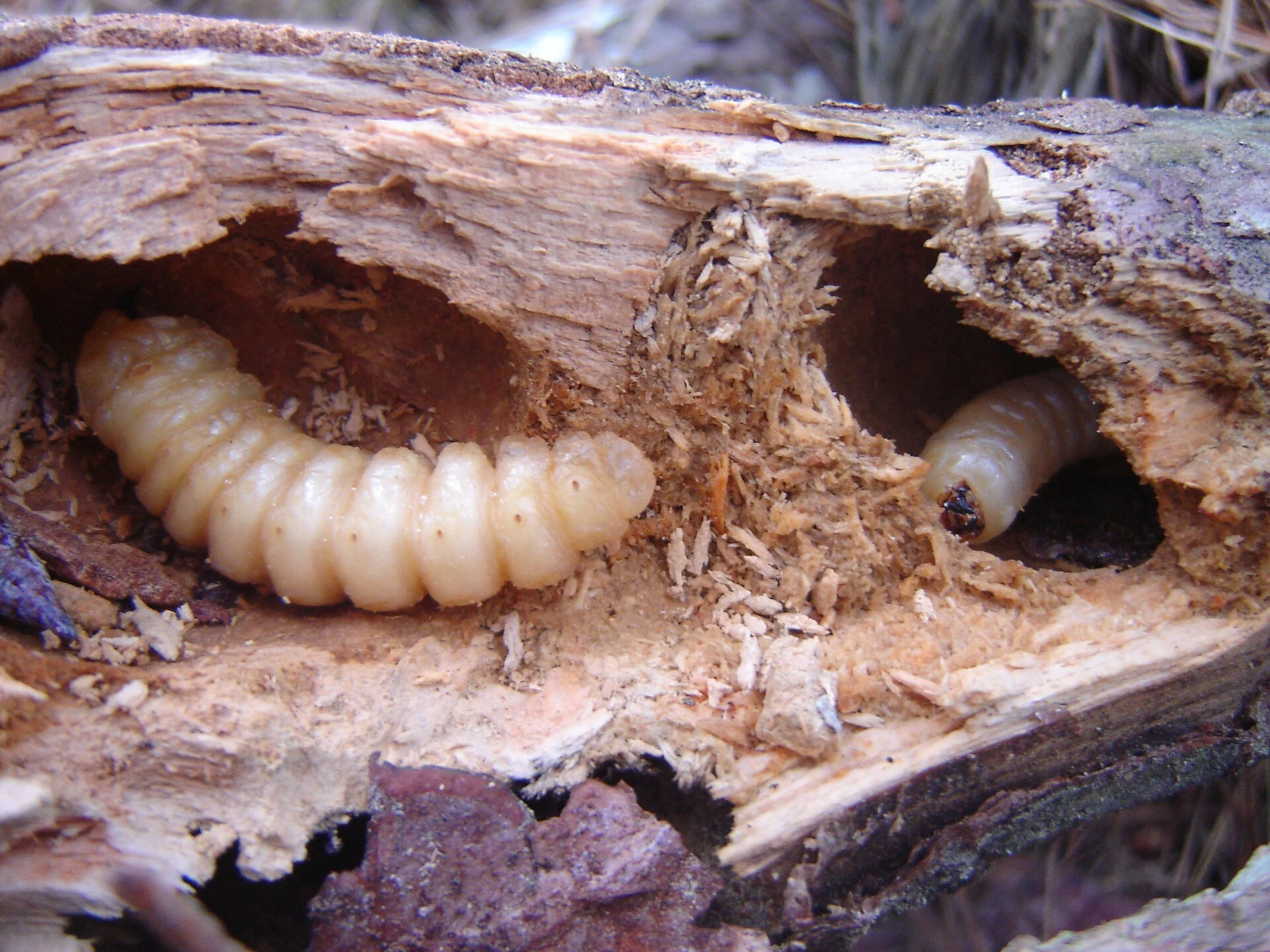
Figure 1. Huhu grubs. Adapted from [1].
Introduction
If individuals were each presented with a sustainable and culturally beloved dish, and look down to see a dish of pan-fried Huhu grubs, the responses could range from interest and embrace, to complete hesitance and disgust. Entomophagy is a human practice of incorporating insects into one's diet that has been implemented in many countries around the world, dating back to pre-historic times. [2]. By 2050, the world population is expected to grow to at least 9.1 billion. This would put significant stress on the production of food, particularly in agriculture, as the population increase would require raising the overall food production by at least 70 per cent between 2005 to 2050, needing to double in some developing countries [3]. A lot of people may look up to chefs and food critics to decide what is “good food” and what is “disgusting.” There is a clip of Gordon Ramsay hesitantly trying a Huhu grub, proceeding to spit it out calling it “disgusting…” then claiming, “the only thing that’s nutty will be the person eating them.” This further contributes towards the normalisation of disgust surrounding the consumption of insects [4]. As a highly influential figure in food culture, this could reinforce hesitations rather than embrace. This article aims to explain and support the arising understanding towards Insects as a sustainable food source, addressing the challenges and benefits of entomophagy while also taking into consideration research worldwide, and research directly in Aotearoa New Zealand.
History of Entomophagy
It is mentioned that the earliest contact of humans with insects was probably for its many uses, especially with the potential possibility of using insects as food [2]. Based on the insectivory that is seen in our closest living relatives, Chimpanzees (Pan troglodytes), insects in diet may have played a role in our own evolution as Homo sapiens too [5]. As of the early 2020s, regular consumption of insects is part of traditional diets of over two billion people, and over 1900 species of insects are consumed as food globally [6]. In more recent years, the study of entomophagy has begun to evolve, and still requires further research. Overall, the history of entomophagy shows that they have been a part of human diets historically, but have not been retained well in modern day. The future of entomophagy remains promising but complex to implement efficiently globally, which is shaped by advantages and benefits in practicality, socially, and culturally.
Benefits of Entomophagy
While this phenomenon may seem bizarre to the wider public, there may be benefits of incorporating insects into the human diet. Between 2012 and 2050, there is an expectation for the demand for animal protein to rise by 70-80% [7]. Insects such as mealworms produce a lower amount of nitrous oxide, methane, and carbon dioxide compared to cattle, which means that they may provide the nutrition and sustainability to our diets without the significant environmental footprint [8]. This research is a stepping stone into more complex research about looking into the complete lifecycles of species used as edible insects, to evaluate the sustainability of insects as a food source more conclusively [8]. Because many insect species do not produce methane, they could be considered a lower environmental impacting product [7]. This is significant since as the global demand for protein increases, finding alternative food sources such as insects that have a lower environmental footprint may contribute to reducing the greenhouse gas emissions that are associated with food production.
Research into the edibility of insects also shows promise that there might be enough protein content in insects to fuel a human diet. In a study conducted in Thailand, all insects studied for eating were considered to be good sources of protein and minerals, with protein content that varied between 7-21g per 100g in edible portions [9]. In addition to being high in protein, insects may also complement staple foods such as rice, which lack amino acids such as lysine (which the insects contain) [9]. This study showed that incorporating insects as a protein into meals may help increase the nutritional value and intake of protein, especially in areas of Thailand that may not have as high access to products such as eggs, pork, and chicken meat. Despite the advantages that are highlighted in research, there are still limitations towards entomophagy through economic, cultural, and social perspectives.
Challenges of Entomophagy
One of the main hurdles in implementing entomophagy as a sustainable food source, particularly in a Western country like Aotearoa New Zealand, may be the perspectives towards insects as food. When agriculture began to develop in areas such as Northeast Africa and Western Asia, this led to many animals and plants becoming domesticated, particularly the mammals, which became a prominent source of animal based foods, wool, and leather products within these areas [6]. When these products increased, insects became more associated with things such as disease, pests, and poorer conditions rather than a potential source of nutrition in diet [6]. Furthermore, they were seen as threats in production of food within agriculture in most Western countries, which led to entomophagy not being an adopted part of food culture in some European and North American countries [6]. While most of the research regarding insects as a sustainable alternative protein in diet is around the life sciences, a large contributor to whether this is implemented or not in countries lies as a preferential, behavioural, and economic decision.
Another challenge that is faced when sustaining entomophagy is the seasonality of many insets. The growth and development of mealworms in particular are dependent on suitable ambient temperatures, due to being poikilothermic organisms [7]. This means that they are cold-blooded, as their internal body temperature will vary in response to its external environment, rather than how we regulate the environment in our own bodies as humans. Because of this, the mealworms require heating when the surrounding temperatures are low, which increases the use of energy, and in further, the cost towards mealworm production [7].
As many insects are poikilothermic, this provides a limitation to expanding the diversity of insects that are produced for the purpose of commercial use and diet. [7] Despite this challenge in production of insects as food, it is generally taken into consideration that overall, they produce less greenhouse gases than livestock for edible products. Therefore, there may need to be more expansion in investing in additional energy for maintaining growth and development of insects for eating and commercial use, particularly in the colder months in Aotearoa where most insects go into overwintering. The challenges suggest that we need to continue to consider the costs as well as the benefits it offers compared to other protein sources that may require more agricultural effort.
Insects as food in Aotearoa?
As the world population increases and New Zealand looks for more sustainable ways to provide food for the growing population in the country, insects have also emerged several times as an alternative that can be developed into food. Research by entomologists such as Dr Neil Birrell looked at edible insects as a sustainable protein source for growing populations, particularly in Aotearoa, serving as a beginning line for developing edible insects in Aotearoa [10].
In a survey conducted in 2019 with 1322 participants, more than 60% of the participants said that they were willing to eat insects regularly, and were aware of the environmental benefits, but not as knowledgeable on the health benefits [11]. However in the same survey, the results suggested that texture and disgust were some of the biggest challenges towards acceptance of entomophagy in Aotearoa. This study suggested that there was a developing acceptance towards trying insects in diet, but most likely in dishes as powder or fried in a dish that was familiar to participants in their daily lives [11]. This opens a stepping stone towards exploring different textures of insects in dishes for consumption of the wider public and their stances [11]. While this study opened a pathway into the population's perspective on entomophagy, it was not entirely representative of the wider country, particularly Māori perspectives.
Cultural aspects also have an influence on the acceptance of insects as a food source in Aotearoa. To Māori, insects are considered to be a part of purākau (cultural narratives), and some are viewed as ancestors, seasonal indicators, representations of the gods on land, or food. [12]. It is important to understand and respect the Māori perceptions on entomophagy, and the genealogy and storytelling of insects. Many insects are linked to whakapapa and are considered descendents of atua through ancestral relationships of Tāne and Tangaroa [13]. One of the accounts describe Tāne and Hinetuāmaunga and one of their grandchildren Tuteahuru, who mated and produced 22 offspring; one of which being Torohu, who gave rise to the forest-destroying grubs [13]. Another account describes the life of insects through Tangaroa, the god of the sea and one of the brothers of Tāne, whose grandson Tutewanawana had a child called Tutangatakino, an evil deity associated with the human stomach, and ultimately lead to the creation of creatures such as insects, and spiders [13]. Within a survey conducted online in 2021 of 172 Māori, 42% responded that insects play a role in Māori as food [12]. There was particular acknowledgement of Māori recognising insects as culturally significant, but participants were relatively open to consuming them [12]. This highlights the importance of incorporating Māori knowledge and viewpoints in the ongoing development of Entomophagy and Entomology in Aotearoa cannot be viewed simply through environmental and western views, but to consider the cultural significance, traditions, and whakapapa within Te ao Māori.
One insect that has been researched substantially in the context of entomophagy in Aotearoa is the grub of the Huhu or Prionoplus reticularis, an endemic longhorn beetle, known for its long larval stage compared to its adult life. Huhu have been described as the grub of the longicorn beetle (also now loosely applied to the adult beetle), which is prized as an article of food [13]. The historical accounts of the consumption of Huhu indicates that insects are not entirely contemporary to the history of food in Aotearoa. There are still challenges with harvesting Huhu grubs, as a large-scale harvest could lead to a sudden decrease in the Huhu grub populations, and impact levels above them in the food chain, such as birds and lizards that prey on them [14]. While farming can provide advantages by using controlled conditions to reduce the disturbance effect on wild populations, this proposes a more stable food supply of the Huhu grubs in Aotearoa and contribute to economic development while reducing the ecological impact [14].
In his thesis, Dr Birrell accounts that despite there also being other insect species having been used as a traditional and contemporary food source, there is still a lack of understanding and research on their basic biology and life histories [10]. This highlights that there is still a key barrier of knowledge in the development of insects as a food source, as insufficient research regarding the biology may limit them being seen as a reliable and safe food source, particularly in western perspectives that are less likely to have prior experience trying insects [15].
While there are some companies that have attempted to advertise insects as food, the likelihood of it making it onto mainstream markets still remains uncertain. One New Zealand company that promotes eating insects is “Eat Crawlers”, founded in 2013 and renowned for being “New Zealand’s first and largest Edible Insect and Cricket flour manufacturer and supplier.” [16]. They highlight three points on why we should eat insects; “Resources Required, High in Protein, and Healthy Living” [17]. Their website also promotes recipes that particularly involve incorporating crickets, whether it’s through cricket flour, or the whole cricket itself cooked up, into daily made snacks or meals. As well as selling edible crickets in flavours such as chocolate coated and honey roasted, they also advertise and sell scorpions for human consumption.. Dr. Birrell analysed the top 20 most frequently used words by Aotearoa New Zealand companies when they marketed edible insect products, finding the most used words, by all the eight companies he looked at used the words “sustainable” and “protein”. While companies like “Eat Crawlers” market edible insects using these terms, the impact may be lower due to using more generic terms. Globally, the support for more sustainable food sources grows, and technologies are also emerging to help with reducing the greenhouse gas emissions and encouraging populations to try these different sustainable foods [18]. Therefore, while entomophagy may not be a complete replacement for the traditional practices of agriculture and meat-based protein in Aotearoa, its future role in food culture depends on environmental benefits, a stronger understanding the biology of the insects marketed as food, considerations of Te ao Māori and whakapapa, and a wider consumer acceptance.
Conclusion
To conclude, insects show strong potential as a sustainable food source in Aotearoa due to their lower environmental impact compared to livestock, and high protein content. While replacing traditional agriculture entirely is an unlikely resolution, research and evidence has shown that they can play a significant role towards sustainability in Aotearoa food systems. Insects may never replace the classic fish and chips, or the mince pies loved nation-wide, but with the ongoing investigations towards multiple aspects towards entomophagy and marketing it to garner more fascination and less disgust could be one of the strongest turnpoints in incorporating them into diets across the country. As our population continues to increase, especially in Aotearoa, the stress on the agriculture industry for livestock and land could begin to form cracks without a backbone of alternative but sustainable food sources such as insects. To begin to embrace entomophagy, the turning point begins with us, and shifting the public view and behaviour accepting insects on the menu.
[1]C. Simmonds, Huhu grubs. 5 September 2006.. Accessed: May 17 2026. [Online]. Available: https://commons.wikimedia.org/wiki/File:Huhu_grubs.jpg

[2]F. S. Bodenheimer, “History of Entomophagy,” in Insects as Human Food, Springer Dordrecht, Jan 1951, pp. 31–69. Accessed: April 20 2026. [Online]. Available: https://link.springer.com/content/pdf/10.1007/978-94-017-6159-8_2?pdf=chapter%20toc
[3]Food and Agriculture Organisation, “Feeding the world in 2050,” Rome. Accessed: May 29 2026. [Online]. Available: https://www.fao.org/4/k6021e/k6021e.pdf
[4] G. R. Uncharted, “Gordon Eats Huhu Grubs | Gordon Ramsay: Uncharted,” Youtube. Jan. 13 2026. Accessed: May 1 2026. [Online]. Available: https://youtu.be/ismamanFHRA?si=Lpt6gWAFjyuN62UX
[5] ]J. Evans et al., “‘Entomophagy’: an evolving terminology in need of review,” Journal of Insects as Food and Feed, vol. 1, no. 4, pp. 293–305, Dec. 2015, doi: https://doi.org/10.3920/jiff2015.0074.
[6] K. W. Lange and Y. Nakamura, “Edible insects as future food: chances and challenges,” Journal of Future Foods, vol. 1, no. 1, pp. 38–46, Sep. 2021, doi: https://doi.org/10.1016/j.jfutfo.2021.10.001.
[7] D. G. A. B. Oonincx and I. J. M. de Boer, “Environmental Impact of the Production of Mealworms as a Protein Source for Humans – A Life Cycle Assessment,” PLoS ONE, vol. 7, no. 12, p. e51145, Dec. 2012, doi: https://doi.org/10.1371/journal.pone.0051145.
[8] D. G. A. B. Oonincx, J. van Itterbeeck, M. J. W. Heetkamp, H. van den Brand, J. J. A. van Loon, and A. van Huis, “An exploration on greenhouse gas and ammonia production by insect species suitable for animal or human consumption,” PloS one, vol. 5, no. 12, p. e14445, 2010, doi: https://doi.org/10.1371/journal.pone.0014445.
[9] J. Yhoung-Aree, P. Puwastein, and G. A. Attig, “Edible Insects in Thailand: An Unconventional Protein Source?,” Ecology of Food and Nutrition, vol. 36, pp. 133–149, doi: https://doi.org/10.1080/03670244.1997.9991511.
[10] N. Birrell, “Insects as Food in Aotearoa New Zealand” Ph.D. dissertation/thesis, Biosci.Dept.Uni.Auckland, Auckland, New Zealand, 2023 [Online]. Available: https://researchspace.auckland.ac.nz/items/3ab95fb0-403c-4462-9b25-1bbfcf2c696e
[11]P. Payne, A. Ryan, and S. Finlay-Smits, “Insects as mini-livestock: New Zealand’s public attitudes toward consuming insects,” Kōtuitui: New Zealand Journal of Social Sciences Online, pp. 1–17, Jan. 2023, doi: https://doi.org/10.1080/1177083x.2022.2156357.
[12] C. O’Connor et al., “Attitudes to consumption of edible insects by indigenous Maori in Aotearoa New Zealand: future commercial opportunities,” AgResearch, Sep. 2025, doi: https://doi.org/10.57935/agr.30047866.
[13]D. Miller, “THE INSECT PEOPLE OF THE MAORI,” The Journal of the Polynesian Society, vol. 61, no. 1/2, pp. 1–61, 1952, doi: https://doi.org/10.2307/20703320.
[14] Ruchita Rao Kavle, A. Bekhit, A. Carne, and D. Agyei, “A research update on the food value of Prionoplus reticularis (Huhu grub), an indigenous edible insect of New Zealand,” New Zealand Journal of Agricultural Research, pp. 1–13, May 2024, doi: https://doi.org/10.1080/00288233.2024.2351031.
[15] H. S. G. Tan, E. van den Berg, and M. Stieger, “The influence of product preparation, familiarity and individual traits on the consumer acceptance of insects as food,” Food Quality and Preference, vol. 52, pp. 222–231, Sep. 2016, doi: https://doi.org/10.1016/j.foodqual.2016.05.003.
[16]“Eat Crawlers,” Eat Crawlers , 2025. https://eatcrawlers.co.nz/?srsltid=AfmBOorVEB93Euz8wozJAFls8ItqNRGmhb_hfaSRFfZzIsJLVKKRlW9q (accessed May 24, 2026).
[17]“Why Eat Insects?,” Eat Crawlers. https://eatcrawlers.co.nz/pages/why-eat-insects (Accessed May 24, 2026).
[18] B. K. Pradhan, A. Prashad, B. Das, and B. Ghosh, “Changes in GHG emissions of protein substitution from conventional to alternative sources,” Cleaner and Circular Bioeconomy, vol. 12, p. 100174, Dec. 2025, doi: https://doi.org/10.1016/j.clcb.2025.100174 .
Ella is a third-year biological sciences student, focusing on zoology. Growing up intrigued by animal morphology and behaviour, she is hoping to pursue postgraduate study next year, investigating predator evasion adaptations in insects. She loves music, dance, bushwalks, observing invertebrates in the wild, and reading literature on animals.