
Breaking Barriers in Dermatology: Ensuring Equitable Care for People of Colour in New Zealand
Dermatology and Health Equity | Amlan Chowdhury, Ji Woo Kim, Shabnam Mohamad Shafiq
We grew up with the common belief that our darker skin naturally shielded us from the sun’s harmful rays. As first-generation immigrants, sunscreen wasn’t part of our everyday routine—a misconception that still persists today. While melanin does offer some protection, research shows it’s no match for the long-term risks of UV exposure, including premature ageing and skin cancer. Alarmingly, when melanoma does occur in people of colour, it is often diagnosed late and with far worse outcomes [1].
Now, as medical students with an eye toward a career in dermatology, we see these gaps reflected in our clinical training. It’s not just about the misdiagnosis of conditions like melanoma; it’s about the very tools and educational materials we rely on. In our labs, we practise on mannequins with light skin, and even our textbooks and the commonly used Fitzpatrick scale cater mostly to Caucasian skin tones. This isn’t just a cosmetic issue—studies have revealed that devices like pulse oximeters can overestimate oxygen levels in dark-skinned individuals by as much as 7%, a difference that can prove fatal in critical moments [2].
Glossary
Fitzpatrick scale: A classification scale for human skin colour, commonly used in dermatology.
Pulse oximeter: A device that measures oxygen saturation in the blood, often used in clinical settings.
Yet another overlooked aspect is the daily reality of skincare for people of colour. Many sunscreens available on the market leave an unappealing white or grey cast on darker skin, discouraging regular use. Despite New Zealand’s high UV levels, public health campaigns still tend to target fairskinned populations, leaving us with the dangerous assumption that we’re less at risk. This isn’t just about aesthetics; it’s about ensuring that all New Zealanders have access to products that protect their health without compromising on style or convenience [3].
As people of colour, we have always been acutely aware of the glaring health disparities that persist within our healthcare system, particularly for minority communities. Dermatology, in particular, has been marked by an inherent disregard for cultural nuances and an unconscious bias that perpetuates colourism. The default emphasis on disease states on Caucasian skin silences the voices and erases the lived experiences of patients from diverse racial and ethnic backgrounds. It is disheartening to realise that the amount of melanin in our skin often correlates with the level of microaggressions and systemic prejudice we face in all aspects of life, including healthcare.
As medical students, we cannot help but notice how even the tools and educational resources we use fail to adequately represent patients of colour. The suture kits and plastic mannequins we practise on are based solely on Caucasian skin, perpetuating the view that people of colour are a homogenous, monolithic group. This lack of diversity is further reinforced by the Fitzpatrick scale, which classifies skin types. While it includes various shades of pale skin, there is minimal representation for individuals with brown and black skin. This oversight not only hinders accurate diagnosis but also compromises patient safety. Even pulse oximeters, vital in lifeand-death situations, have been calibrated based on data from primarily white patients, resulting in consistently overestimated oxygen levels in dark-skinned individuals by up to 7% [2]. Such variations are unacceptable when lives are at stake.
The truth is that the experiences of people of colour within the healthcare system are overshadowed by bureaucratic red tape and systemic prejudice. The remnants of colonialism and colourism continue to cast a shadow on medicine, impeding progress and perpetuating inequities. Despite the repeated use of terms like “holistic and culturally appropriate care,” the question arises: how applicable are these concepts in clinical practice? Limited exposure to the manifestation of common conditions, such as psoriasis and skin melanoma, on darker skin tones leaves healthcare practitioners ill-prepared, increasing the risk of medical errors and compromising patient outcomes. This failure of medical education is not only concerning but also downright dangerous [1].
It’s time to confront these challenges head-on. As future practitioners and members of a society that prides itself on fairness and inclusion, we must demand a change—starting in our classrooms and extending into our public policies. We need to see diversity not only in our patient populations but also in the tools we use and the messages we promote. Our clinical training should include a broader spectrum of skin tones and a deeper understanding of how conditions manifest differently across cultures.
We, as future medical practitioners, bear the responsibility to confront these disparities head-on. It is imperative that we proactively seek to educate ourselves on skin pathologies across a wide range of skin shades, rejecting the assumption that whiteness is the norm. By acknowledging our biases and blind spots, we can ignite the necessary changes to establish therapeutic partnerships with underrepresented and forgotten communities within the healthcare system. We have committed ourselves to go beyond textbooks and delve into clinical presentations on patients with coloured skin, broadening our knowledge and understanding. Moreover, we will actively raise awareness on this topic, whether it be by publishing an op-ed in our university magazine or participating in a podcast episode with the international non-profit organisation Halad to Health.
The call for change goes beyond just improving educational materials or launching new sunscreen products. It’s about reshaping our healthcare system to acknowledge and address the unique needs of every community. We need public health campaigns that speak directly to people of colour, and we need research that reflects our diverse society [3]. Only then can we ensure that no one is left behind simply because of the colour of their skin.
We must break the barriers that hinder equitable care in dermatology. By recognising the importance of representation, education, and awareness, we can foster a field that embraces diversity and provides culturally sensitive care to patients of all backgrounds. Only through concerted efforts and a collective commitment to change can we build a future where healthcare disparities based on skin colour are eradicated.
[1] R. Narayan et al., “Melanoma in People of Color: A Review of Current Literature,” Dermatology Online Journal, vol. 24, no. 8, 2018.
[2] M. W. Sjoding, R. P. Dickson, T. J. Iwashyna, et al., “Racial Bias in Pulse Oximetry Measurement,” The New England Journal of Medicine, vol. 382, no. 16, pp. 1490-1491, 2020.
[3] Various dermatological publications, “Recent market analyses and public health reviews highlight challenges with sunscreen formulations for darker skin, reinforcing the need for inclusive dermatological care,” various publications, 2019-2020.
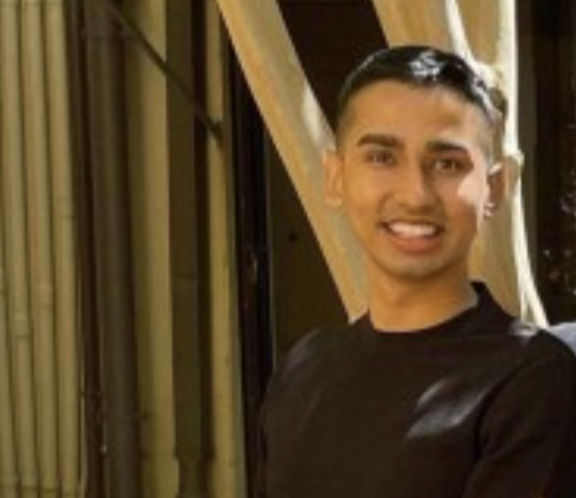
Amlan is a final-year medical student based in Australia with a passion for medical research and social justice. He is highly interested in pursuing a career in dermatology, works as an education officer for the Australian Prevocational Dermatology Network, and is the dermatology representative for the university medical society.
Amlan Chowdhury - MD4
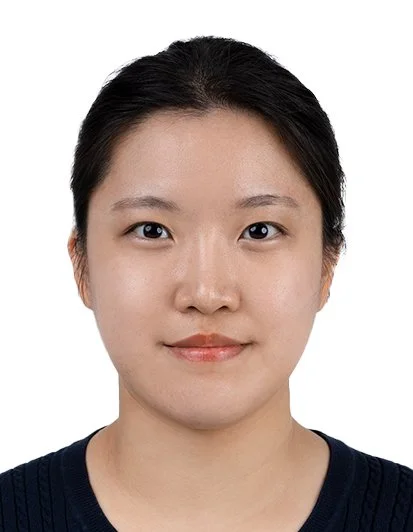
Ji Woo is a second-year medical student passionate about research and health equity. She seeks to address systemic bias in medical education and improve representation in healthcare. She aims to promote culturally sensitive care and advocate for underserved communities through clinical practice, research, and public health initiatives.
Ji Woo Kim - MBChB
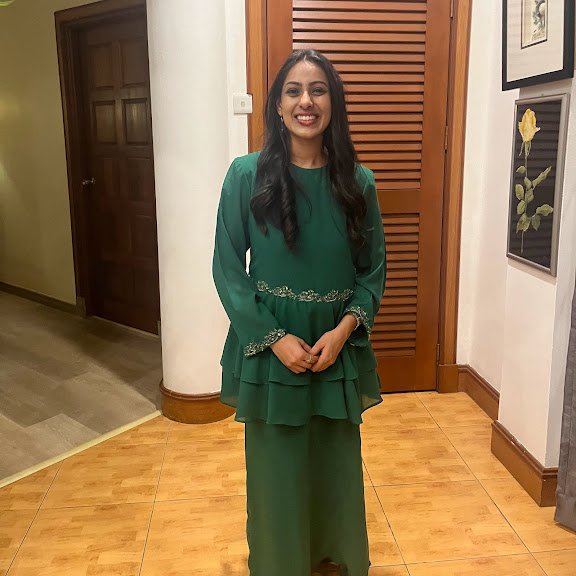
Shabnam is a final-year medical student with a passion for both medicine and writing, through which she enjoys exploring the intersection of healthcare and creativity. In her downtime, Shabnam loves cooking, baking, and spending quality time with her two best friends, Amlan and Jiwoo.