
Energy Drink Consumption in Young Adults: Evaluating Student Health and Well-being
Energy Drinks and Youth Health | Ricksia Kalam
Glossary
Diuretic effect - increased production of urine and excretion of sodium from the body by reducing blood pressure
Lipogenesis - a metabolic process stimulated by insulin (post-meal) that synthesises fatty acids and triglycerides (fats)
Blood-brain barrier - works as a gatekeeper that separates blood from the central nervous system to protect the brain from toxins and infections
Adenosine - signalling molecule and energy carrier
Adenosine receptor antagonists - compounds that block the action of adenosine
Circadian rhythms - body’s internal 24-hour clock
Diffusion - energy-driven passive movement of particles from an area of high concentration to an area of low concentration
Cortisol rhythm - the body’s natural 24-hour cycle of cortisol production, peaking early in the morning for a boost of alertness
Introduction
The consumption of energy drinks (EDs) among young people, specifically university students, is an ongoing public health concern in Aotearoa. These beverages are water-based, often containing caffeine, added sugars, other additives, and legal stimulants such as guarana, taurine, and L-carnitine [1], [2]. The marketing strategies of energy drink companies help reinforce expectations of enhanced cognitive and physical performance. For example, the well-known ED brand Red Bull uses the slogan, “Red Bull gives you wiiings,” which metaphorically suggests increased alertness, attention, and energy. Such messaging encourages young adults to gravitate toward these beverages to improve their academic or athletic performance [1]. There are zero-sugar EDs available on the market, which reduces the risk of unhealthy weight gain from excess calorie intake, aligning with the NZ Ministry of Health’s guidance on choosing drinks with little or no sugar [2]. However, this doesn’t eliminate the primary health concerns (e.g., physiological and psychological) associated with EDs among young adults. In a 250 ml ED can, there is about 80 mg of caffeine, which can cause a range of adverse health outcomes. Some reports have highlighted the linkage between EDs and effects on different bodily organs, causing issues like anxiety, gastrointestinal disturbance, dehydration, and nervousness [1]. In Aotearoa New Zealand, about 35-40% of young people consume EDs weekly [3], raising serious concerns about their normalisation despite the adverse effects.
Energy Drink Consumption Patterns
ED consumption patterns among tertiary students are influenced by gender, region, lifestyle behaviours, and are strongly associated with academic demands. The Youth12 survey highlighted the demographic patterns among ED consumers. Male students, Māori and Pasifika ethnic groups, and adolescents from high-deprivation areas are the most common consumers, which shows the socioeconomic and ethnic disparities. This pattern contradicts previous findings that show that adolescents from high-income families worldwide consume more caffeine. But in NZ, due to availability, affordability, and marketing, the pattern of ED consumption is similar to that of soft drinks [3]. A systematic review and meta-analysis showed that 18 of 21 studies reported that male students are more likely to consume EDs and in greater quantities. Analysing the frequency and patterns of consumption in those studies showed that many students were occasional consumers (e.g., one to two times per week), but a subgroup consumed more than one drink per day or multiple drinks per week [4].
Physiological Effects of ED Consumption
The influence of EDs on metabolism due to high caffeine and sucrose content has been found to be a contributing factor to the global rise of obesity and type 2 diabetes. The randomised control investigation with “V energy drink” showed that ED consumption may increase carbohydrate oxidation and decrease fat oxidation, suggesting the body burns more sugar than fat. This results in the body storing more fat via lipogenesis, which may lead to weight gain. The combination of caffeine and sugar may exacerbate insulin resistance, which, in turn, can promote fat storage [11]. Globally, demand for no-sugar EDs has increased, driving more than 70% growth in the market since 2022 [12]. No-sugar EDs are often marketed as the healthier alternative, which may encourage overconsumption. But a study in mice found that both regular and zero-sugar EDs may lead to hyperglycemia (high blood glucose), elevated triglycerides, and insulin resistance, indicating an issue with the entire formulation of EDs [13]. Though the findings of this study may not fully translate to humans, the biological mechanisms and potential risks still stand.
Psychological Effects of EDs
The negative psychological effects of EDs among young people are one of the main concerns that have been highlighted by various studies over the years. In a large systematic review of 37 studies and 96,549 participants, some observed stimulatory effects included jitteriness, nervousness, and restlessness, affecting about 25.1% of participants. In the younger population, stress was experienced by 35.4% consumers, 23% reported feelings of depression, and 19.8% experienced suicidal thoughts. There were also links found between ED consumption and a significant increase in the likelihood of insomnia (34.5% reported), which can contribute to emotional instability, resulting in poor mental health [14]. Caffeine’s stimulation of the central nervous system can cause daytime fatigue and irritability as well, despite the temporary increased feeling of well-being. Moreover, the high concentration of caffeine may cause sleep disruption by antagonising adenosine receptors (increasing dopamine activity in the brain), thereby decreasing the natural drive to sleep and suppressing melatonin, affecting the circadian rhythm [6]-[15]. People with pre-existing mental health issues have a risk of relapse or elevated symptoms due to overconsumption [15].

Figure 1. Advertisement for V energy drinks featuring New Zealand Warriors’ players [5]. This image demonstrates the use of athlete endorsement as a marketing strategy to promote the product as great for performance and strength.
Motivations for Energy Drink Consumption
There is evidence across several studies of a link between functional motivations, sociocultural influences (e.g., peer pressure), and ED consumption. Functional motivations, such as improved concentration and academic performance support, have been reported in 37 studies [4]. In the review, 21 studies reported staying awake or alert, and 18 studies linked use to physical activity/sports as their functional motivation for consumption. The analysis also provides strong indirect evidence of ED consumption being associated with alcohol intake, e.g., mixing EDs with alcohol (reported in 16 studies) and other risk-taking behaviours e.g smoking (reported in 11 studies) [4]. A caffeine motives questionnaire highlighted that secondary motives for women to consume caffeinated drinks are weight control (diuretic effect), whereas for men, it is mostly convenience, which again raises concerns about product advertising and marketing [6]. The marketing of EDs targeting young people can strongly influence attitude and decision-making, which also contributes to increased consumption. The use of peripheral cues, such as celebrities and athletes, and persuasive psychological strategies promotes expectancy beliefs. That’s why 43.5% of ED advertisements feature sports and associate consumption with excitement, risk-taking, and success. Portraying ED consumption as a socially desirable behaviour reinforces these expectancy beliefs further [7].
The Biochemistry behind Energy Drinks
The biochemical composition of EDs is complex, but understanding the chemistry underlying caffeine and other bioactive compounds is essential. One of the necessary ingredients in EDs, caffeine, is a naturally occurring alkaloid with a hydrophobic (water-hating) structure that promotes rapid diffusion across plasma membranes. This ingredient is rapidly absorbed in the gastrointestinal tract, initially decreases heart rate, and efficiently crosses the blood-brain barrier. This allows effects on the central nervous system, which explains the immediate, noticeable cognitive effects, e.g., rapid onset of increased alertness and decreased fatigue [8]. Another common ingredient found in high concentrations in EDs is taurine, a sulfur-containing amino acid needed for calcium regulation and membrane stabilisation. There have been concerns raised regarding the combined effects of caffeine and taurine, despite taurine being safe at typical intake levels. Guarana, another alkaloid and natural additive, provides a lengthier stimulatory effect through slower release due to its insolubility in water [9]. There are high levels of vitamin B in EDs, which help with energy production through metabolic pathways. As most people meet their daily requirements through their diet, questions have been raised about its functional benefit. Moreover, plant-based compounds such as ginseng and yerba mate contribute to physical endurance and metabolic and antioxidant benefits, respectively, with their long-term effects still under study. The compounds present in EDs have individual biochemical roles, but their combined effects lack comprehensive long-term evidence, raising the potential for adverse effects, particularly among young adult consumers with high or repeated consumption patterns [9].
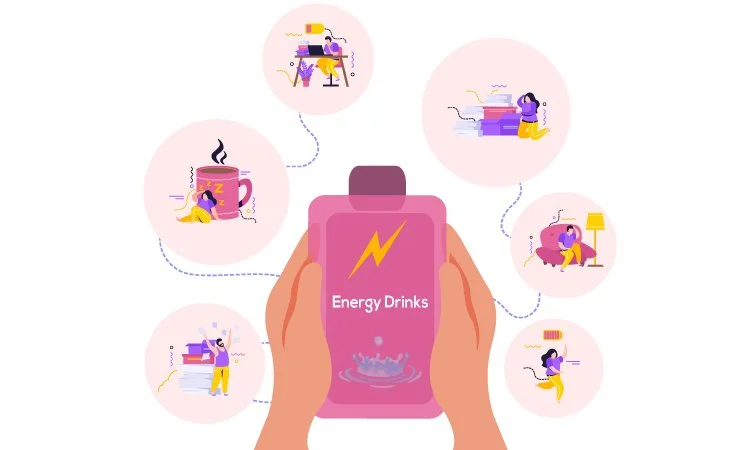
Figure 2. The range of effects associated with energy drink consumption [10]. The illustration shows an energy drink in the center, connected to other images that highlight both short-term benefits and potential negative outcomes.
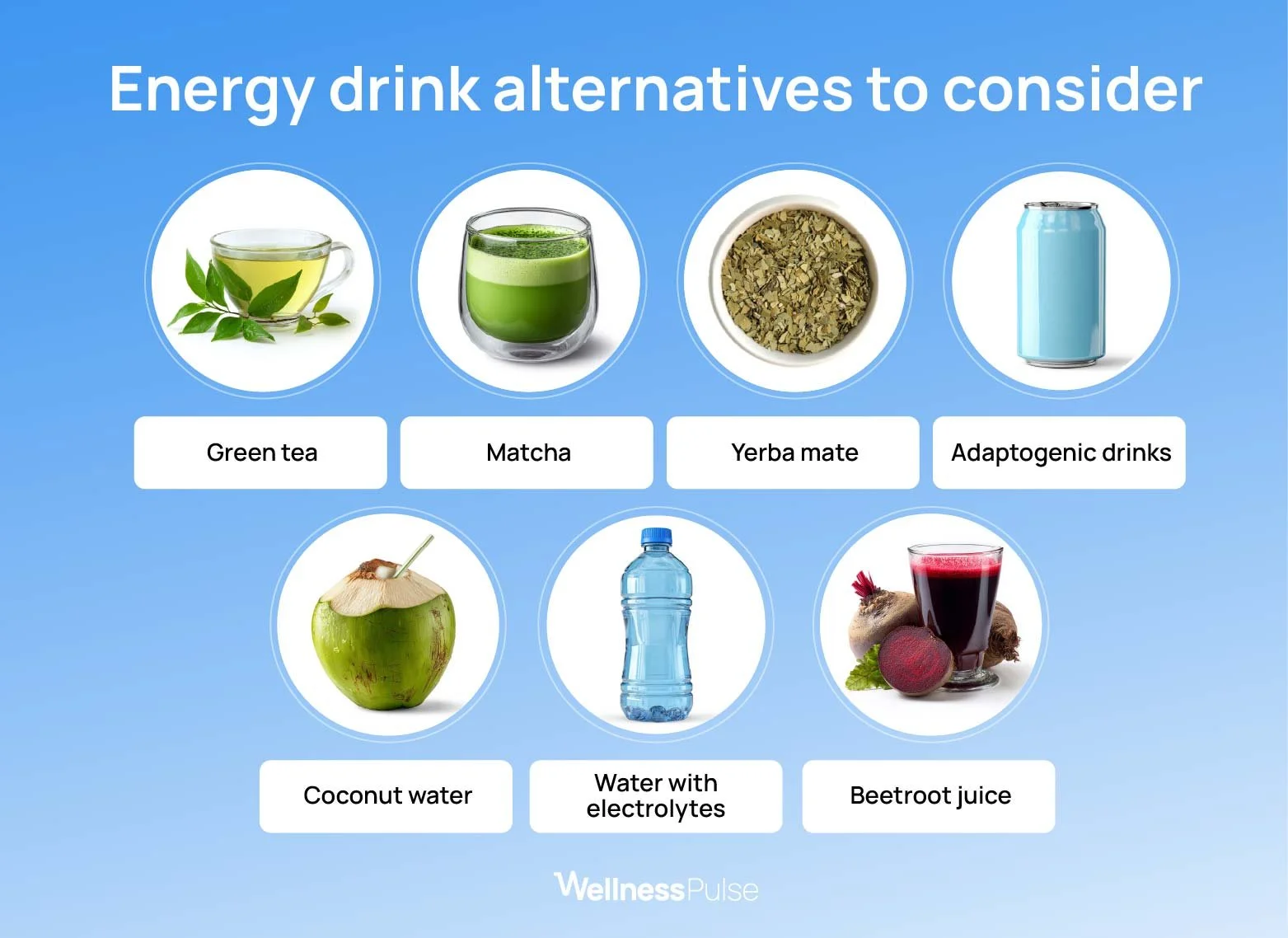
Figure 3. Examples of alternative drinks to consider [16]. Healthier energy drink alternatives for sustainable energy and overall well-being without the negative physiological and psychological effects.
ED Alternatives
Concerns about the safety of EDs have prompted various studies to seek alternatives. One solution suggested by a study is replacing the chemical components of EDs with biological ones, i.e., herbal EDs, which may reduce long-term health risks [17]. The study suggested replacing the main chemical components of EDs (e.g., caffeine and taurine) with Rhodiola Rosea and Shatavari, which would still provide an energy boost. Furthermore, adding or maintaining vitamin C enhances antioxidant and preservative properties, thereby increasing shelf life. The drink could be coconut water-based for hydration and nutrients, with natural sweeteners such as jaggery and fruit juice, and natural flavours like mango to improve taste. Natural herbs will improve overall health by boosting antioxidant levels and supporting metabolic processes. Unlike conventional EDs, herbal-based drinks provide more stable energy levels, reducing the risk of crashes [17]. In addition to swapping out the chemical compounds in EDs, naturally caffeinated, hydration-focused drinks could also be an option. Green tea and matcha both contain less caffeine than EDs, and also contain L-theanine, which would provide calm alertness. Yerba mate is good for sustained energy as it contains antioxidants and essential minerals such as zinc and magnesium. Moreover, coconut water and electrolyte-rich water help prevent fatigue caused by dehydration, supporting focus [18]. EDs provide quick energy, but sustained energy is what many young adults should seek. Lifestyle and diet changes, e.g., a consistent bedtime, less screen time, movement to improve blood circulation and oxygen supply to the brain, and morning sunlight for natural energy regulation and cortisol rhythms are among the suggested solutions. A combination of the suggested alternative drinks alongside habitual changes would result in effective replacement of EDs [18].
Conclusion
As popularity and awareness continue to grow, the negative impact of energy drinks is not going unnoticed. For young consumers in New Zealand who depend on energy drinks to get through exam periods, this reliance comes with a cost to both physical and mental well-being. The complex interaction between functional motivations, social norms, and short-term benefit represents an emerging public health concern. Oftentimes, students continue consuming energy drinks despite feeling physical and mental discomfort because motivations often outweigh long-term well-being considerations. On top of that, aggressive marketing is targeting this vulnerable group to promote unrealistic expectations, which is creating a cycle of repeated use despite potential long-term harm. As a university student, energy drinks appear to offer a convenient solution for late-night study sessions. But understanding the behavioural drivers of consumption has motivated me to find a balance and achieve sustainable academic performance. Nonetheless, informed and cautious use, clearer labelling, and further research are necessary to allow young individuals to make informed decisions regarding their consumption.
A. Costantino et al., “The Dark Side of energy drinks: A comprehensive review of their impact on the human body,” Nutrients, vol. 15, no. 18, p. 3922, Sep. 2023. https://doi.org/10.3390/nu15183922
Ministry of Health, “Energy drinks,” report, 2022. [Online]. Available: https://cdn.accentuate.io/8070990790884/11408390422661/NPA-252-NPA_Behind_the_hype_Energy_Drinks-v1699332346005.pdf
J. Utter, S. Denny, T. Teevale, and J. Sheridan, “Energy drink consumption among New Zealand adolescents: Associations with mental health, health risk behaviours and body size,” Journal of Paediatrics and Child Health, vol. 54, no. 3, pp. 279–283, Sep. 2017, https://doi.org/10.1111/jpc.13708.
C. Protano et al., “Consumption patterns of energy drinks in university students: A systematic review and meta-analysis,” Nutrition, vol. 107, p. 111904, Nov. 2022, https://doi.org/10.1016/j.nut.2022.111904
Figure 1:
“V Wahs,” Freshchoice. https://greenisland.store.freshchoice.co.nz/pages/b-140-v-wahs
A. Riera-Sampol, L. Rodas, S. Martínez, H. J. Moir, and P. Tauler, “Caffeine Intake among Undergraduate Students: Sex Differences, Sources, Motivations, and Associations with Smoking Status and Self-Reported Sleep Quality,” Nutrients, vol. 14, no. 8, p. 1661, Apr. 2022, https://doi.org/10.3390/nu14081661
A. Bleakley, M. E. Ellithorpe, A. B. Jordan, M. Hennessy, and R. Stevens, “A content analysis of sports and energy drink advertising,” Appetite, vol. 174, p. 106010, Mar. 2022, https://doi.org/10.1016/j.appet.2022.106010.
E. Villarreal, “Energy drinks and caffeine: the science behind the billion- dollar industry,” eGrove. https://egrove.olemiss.edu/hon_thesis/323/
I. Yunusa and I. Ahmad, “Energy Drinks: Composition and Health Benefits,” Bayero Journal of Pure and Applied Sciences, vol. 4, no. 2, https://doi.org/10.4314/bajopas.v4i2.38
Figure 2:
“The science behind energy drinks: how they work and what they do to your body,” https://www.basic-concept.com/.
E. Rush, S. Schulz, V. Obolonkin, D. Simmons, and L. Plank, “Are energy drinks contributing to the obesity epidemic?” PubMed, vol. 15, no. 2, pp. 242–4, Jan. 2006, [Online]. Available: https://pubmed.ncbi.nlm.nih.gov/16672210
P. Writer, “Post headline,” FoodBev Media. https://www.foodbev.com/news/sugar-free-surge-how-health-conscious-consumers-are-transforming-the-energy-drink-industry#:~:text=Sugar%2Dfree%20now%20outselling%20traditional,energy%20drinks%20sold%20in%20stores.
L. T. Graneri, J. C. L. Mamo, Z. D’Alonzo, V. Lam, and R. Takechi, “Chronic intake of energy drinks and their sugar-free substitution similarly promotes metabolic syndrome,” Nutrients, vol. 13, no. 4, p. 1202, Apr. 2021, https://doi.org/10.3390/nu13041202
I. M. Nadeem, A. Shanmugaraj, S. Sakha, N. S. Horner, O. R. Ayeni, and M. Khan, “Energy Drinks and their Adverse Health Effects: A Systematic review and Meta-analysis,” Sports Health a Multidisciplinary Approach, vol. 13, no. 3, pp. 265–277, Nov. 2020, https://doi.org/10.1177/1941738120949181.
“Energy drinks: psychological effects and impact on well-being and quality of life-a literature review,” PubMed, Jan. 01, 2012. https://pubmed.ncbi.nlm.nih.gov/22347688/
A. Bleakley, M. E. Ellithorpe, A. B. Jordan, M. Hennessy, and R. Stevens, “A content analysis of sports and energy drink advertising,” Appetite, vol. 174, p. 106010, Mar. 2022, https://doi.org/10.1016/j.appet.2022.106010.
Figure 3:
“Time to swap: Best energy drink Alternatives,” WellnessPlus, Sep. 10, 2025. https://wellnesspulse.com/nutrition/energy-drink-alternatives/
G. Bhandwale, “Replacement of chemical components in energy drinks using biological alternatives,” International Journal for Research in Applied Science and Engineering Technology, vol. 9, no. VI, pp. 655–661, Jul. 2021, https://doi.org/10.22214/ijraset.2021.36429
“Time to swap: Best energy drink Alternatives,” WellnessPlus, Sep. 10, 2025. https://wellnesspulse.com/nutrition/energy-drink-alternatives/

Ricksia is currently in her second year of university, studying a BSc in Medicinal Chemistry. She is passionate about exploring how chemistry and health work together. Outside of academics, she enjoys cooking/baking, finding good restaurants, and hanging out with friends.