
EcoDose: A Smart Dispensing System for Reducing Chemical Waste in Teaching Laboratories
Green Chemistry, Laboratory, and Sustainability | Tanvi Chand
Introduction
Chemistry laboratories are essential for training scientists. Every year, thousands of UoA students learn to pipette, titrate, and synthesise in courses like CHEM 110, CHEM 120, and beyond. But there is a hidden cost to this education. Teaching laboratories generate significant chemical waste. Unlike research labs where every millilitre is accounted for, teaching environments often prioritise learning outcomes over efficiency. Students learning to measure often over-measure. Technicians preparing for large cohorts often over-prepare. The result is solvent going down the drain, pipette tips filling landfills, and a generation of scientists trained in habits of excess rather than precision.
This disconnect between institutional sustainability goals and actual student behaviour is a systemic issue across university environments. Waste often becomes an invisible byproduct of daily routines when systems prioritise immediate convenience over long-term environmental accountability.
To understand how to redesign these laboratory habits, it is first necessary to look at how design and human behaviour interact in the shared spaces we navigate every day.
This observation did not come from reading journal articles alone. It came from walking through UoA and AUT campuses as part of my SUSTAIN 200 passport activities, where I was asked to critically evaluate sustainable and unsustainable practices. At the UoA Clock Tower, I saw a discarded glass bottle under a bush despite bins being nearby. This is evidence that infrastructure alone does not change behaviour. At the AUT Engineering Building, I noticed vending machines stocked with single-use plastic packaging, contributing to waste that students walk past every day. These small moments made me realise that sustainability is not just about having the right bins or policies. It is about design, behaviour, and awareness.
When environmental metrics and wasteful habits remain unaddressed in everyday environments, people naturally disengage from the consequences of their actions. This psychological barrier is particularly damaging in educational spaces like teaching laboratories, where students are actively forming the foundational habits of their scientific careers. If we want future scientists to act with precision and care, we must embed sustainability directly into the physical infrastructure and equipment they interact with every single day.
Bridging this gap requires moving away from traditional, passive laboratory tools and toward dynamic systems that actively promote behavioural change. By redesigning the very mechanisms used to handle everyday materials, we can make the environmental footprint of an experiment visible and actionable.
This article proposes a conceptual solution: EcoDose, a smart reagent dispensing system designed specifically for undergraduate teaching laboratories. EcoDose does not exist yet. It is a proposal and a design for how we might rethink one small but significant part of laboratory practice. By combining off-the-shelf technology with educational feedback interfaces, EcoDose aims to reduce waste while training students to think sustainably.
The Problem:
Why Teaching Labs Waste More Than They Should
Let’s start with a common scene in a first-year chemistry lab. A student needs 5 mL of hydrochloric acid. They pick up a graduated cylinder and pour from a 500 mL reagent bottle. They pour 6 mL. They adjust, and pour the extra 1 mL down the sink. This happens dozens of times per lab session, per student, per course, per year.
While a single milliliter of spilled or discarded reagent might seem insignificant in the moment, these individual actions accumulate rapidly across a massive student body. When multiplied across entire semesters, this casual, routine behaviour transforms into a major environmental and economic burden for the university, manifesting in distinct operational layers.
The waste adds up in three ways. Measurement error: Manual dispensing using graduated cylinders or even standard pipettes is imprecise, especially for students learning the skill. Over-pouring is normal. Under-pouring requires a second attempt, doubling waste. Each error means more chemicals entering the waste stream. Over-preparation: Laboratory technicians prepare stock solutions in advance to ensure enough for everyone. Predicting exact demand is difficult, so they err on the side of excess. Unused stock expires and is disposed of. Pipette tip waste: Standard micropipettes use disposable plastic tips. Each tip is used once, then discarded. A single lab class of two hundred students can generate thousands of plastic tips in one afternoon.
When these three vectors of laboratory waste, user inaccuracy, operational over-preparation, and single-use consumables are combined, they create a compounding cycle of material depletion. The immediate financial and physical volume of this waste is problematic enough on a local scale, cluttering university disposal systems and straining departmental budgets. However, focusing solely on the physical bins inside the laboratory obscures a much larger ecological footprint.
To fully appreciate the necessity of a system like EcoDose, we must trace these materials back to their origins and forward to their ultimate disposal sites. This requires shifting our perspective from localized laboratory habits to the broader, often unseen systems of waste lifecycle management across our campus environments.
The environmental impact extends beyond the bin. Manufacturing chemicals requires energy and produces carbon emissions. Disposing of hazardous waste requires treatment and incineration. During my campus observations, I saw how easily waste becomes invisible. At AUT, I found rubbish under hedges near the food court. There were discarded items that someone had dropped and no one had noticed. At UoA, I observed shared microwaves in the Engineering Building that encourage students to bring food from home, reducing takeaway packaging. Both examples taught me the same lesson. Infrastructure shapes behaviour but only when it is visible, accessible, and designed with users in mind. A waste bin that is hidden will not be used. A recycling label that is confusing will be ignored.
I also visited four nature sit spots across UoA and AUT to further evaluate what makes a space usable versus ignored. The UoA Architecture area worked because it was sensory-rich. It had pebble paths, dense bushes, umbrella-shaded benches, and it intentionally reduced urban noise. The AUT Engineering balcony worked despite having no vegetation because it offered open-air exposure and a view of distant trees. The lesson was consistent across both assessments: small, thoughtful design changes produce meaningful behavioural outcomes. A bench in the wrong place goes unused; similarly, a laboratory layout that hides its inefficiencies will naturally foster waste. EcoDose applies this same principle to the laboratory: make waste visible, make precision easy and students will change how they work.
What Already Exists (And Why It Is Not Enough)
Several strategies have reduced waste in teaching labs. Each has strengths, but each also has limits. Microscale chemistry is the most widely adopted approach. Instead of using beakers and test tubes, microscale uses small wells and micro-tools. Reactions use tiny volumes. Sometimes one hundredth of traditional amounts. This works well for qualitative experiments where exact precision is less critical. However, microscale still depends on student technique. A student who over-dispenses into a micro-well has still wasted reagent relative to the tiny target volume.
Beyond downsizing reaction volumes, institutions have experimented with a variety of operational and chemical alternatives to mitigate laboratory waste. While these methodologies target different stages of the chemical lifecycle from procurement to post-experimental disposal, they encounter similar limitations when applied to large-scale undergraduate education.
• Green solvent substitution replaces toxic chemicals with safer alternatives. For example, some labs replace dichloromethane with ethyl acetate or ethanol. This
reduces hazard but does not reduce volume. A student can still pour 10 mL of ethanol
when 5 mL would suffice.
• Solvent recycling is gaining traction at some universities. Used acetone or ethanol
is collected, distilled, and reused. This reduces disposal volume but requires
equipment and energy for distillation. It addresses waste after dispensing, not the
dispensing behaviour itself.
• Automated liquid handlers exist in pharmaceutical research. These robots dispense
microlitre volumes with high precision [1]. They are also expensive, often tens of thousands of dollars per unit, making them impractical for a teaching lab
with twenty to forty student stations.
When evaluated together, these current industry practices reveal a significant gap in laboratory sustainability strategies. They either treat the symptoms of waste after it has already been generated, or they rely on industrial automation that is financially impossible to scale for hundreds of undergraduate students. Ultimately, none of these interventions address the root cause of the problem: user awareness during the act of manual measurement.
None of these solutions provide what teaching labs actually need: a low-cost, real-time feedback system that helps students see exactly how much they are using and adjust their behaviour accordingly.
To understand how a system like this might function, we must first examine the visual baseline of current university infrastructure. The gap between student intent and sustainable outcomes is often exacerbated by the tools themselves, which isolate the user from the ecological consequences of their movements. By evaluating how traditional setups fail to provide this necessary engagement, we can identify exactly where behavioural interventions need to be physically integrated on the laboratory bench.
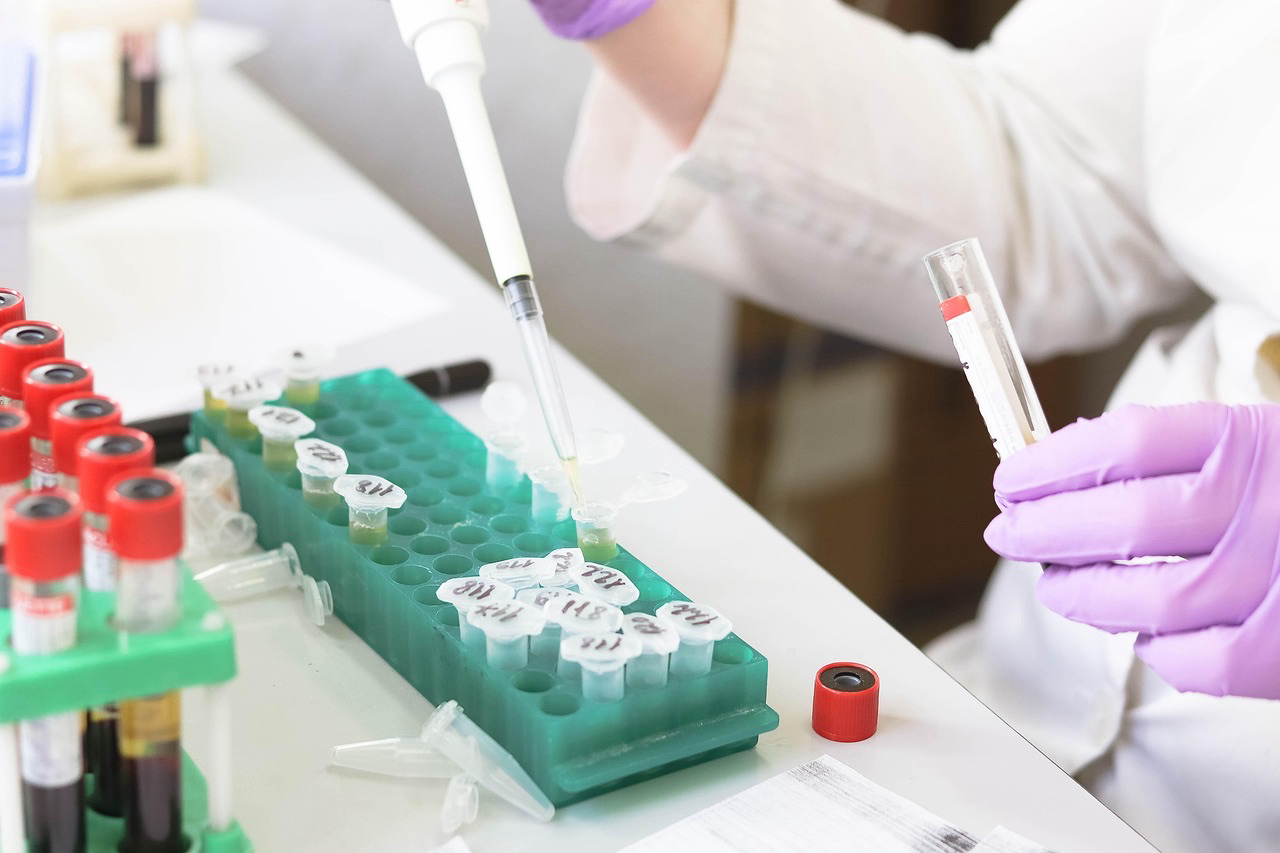
Figure 1: Traditional laboratory liquid handling methods rely heavily on manual
dispensing, which can introduce measurement error and contribute to chemical waste. (Image source: Pixabay)
The Proposal: EcoDose
EcoDose is a conceptual smart dispensing system designed to retrofit existing teaching laboratory benches. Think of it as a "smart reagent carousel." A student places their reaction vessel under a nozzle, selects the desired volume on a touchscreen, and the system dispenses exactly that amount. If the student tries to over-dispense, the system prevents it or asks for confirmation. The design uses four integrated components, all based on existing technology.
By incorporating these standard mechanical and digital elements into a single cohesive unit, the system transforms a standard lab bench into an interactive, waste-aware station. Each component plays a distinct role in transitioning the workflow from manual guesswork to automated precision.
Component 1: Precision Pump
This mechanical core serves as the primary driver for liquid displacement within the EcoDose architecture. By automating the physical movement of fluid, it replaces the erratic, manual pouring motions of untrained students with a controlled, motorized delivery process.
A syringe pump or peristaltic pump moves liquid from the reagent reservoir to the nozzle. These pumps are well understood, commercially available, and relatively inexpensive. A basic syringe pump can cost a few hundred dollars. For teaching lab accuracy, this is sufficient.
However, physical delivery alone does not guarantee absolute accuracy over time, especially as mechanical parts wear or chemical viscosities change. To ensure that the system maintains its precision without requiring constant manual calibration, a secondary validation mechanism must monitor the liquid in real time.
Component 2: Inline Flow Sensor
This component acts as the digital checkpoint of the apparatus, converting physical fluid movement into electronic data streams. By tracking the kinetic movement of the reagent through the tube, it creates a constant verification loop with the central software.
A small flow sensor sits between the pump and the nozzle. It measures exactly how much liquid has passed through [2]. If the pump delivers 5.2 mL when the student requested 5.0 mL, the sensor detects the error. The system can then either correct automatically or flag the deviation for the student to see.
Gathering this real-time flow data is only useful if the system has a central processing unit to interpret it and make split-second operational decisions. To close the feedback loop, these electronic data streams must be fed directly into a local computing hub capable of coordinating the hardware's response.
Component 3: Microcontroller Interface
Serving as the central processing unit of the device, this component links the physical flow sensor to the mechanical pump. It acts as the "brain" of the EcoDose station, interpreting digital signals from the sensor in real time and executing precise, pre-programmed logic to instantly govern fluid delivery.
A microcontroller that processes the sensor data and controls the pump. These devices cost between thirty and seventy dollars. They are programmable, reliable, and widely used in student engineering projects. A teaching lab could even have students program the controllers themselves as part of a cross-disciplinary module.
While the internal computing handles the mechanics and logical safety gates, this raw data must be translated into an accessible visual format for the end-user. To achieve the behavioural shifts observed in effective campus design, the system requires a front-facing interface that brings these metrics directly to the student's attention.
Component 4: Sustainability Dashboard
Rather than functioning as a passive display, this interface serves as the primary behavioural touchpoint for the entire system. It bridges the gap between abstract ecological footprints and immediate, physical actions by translating real-time fluid measurements into relatable metrics that prompt instantaneous student reflection.
To maximise engagement, the interface eschews dense, intimidating rows of raw data in favor of a clean, three-tiered data layout. By breaking down the student's immediate physical action into distinct operational, wasteful, and environmental categories, the user is given a comprehensive look at their footprint the moment they release the dispensing trigger. This is the educational innovation. A small screen at each station displays real-time feedback:
• Volume dispensed (target versus actual)
• Waste generated (any over-dispensed volume)
• Estimated environmental impact (grams of carbon dioxide, millilitres of hazardous
waste)
Crucially, these individual streams of real-time student data do not remain isolated at individual workbenches. By linking every station together through a local network, this individual feedback loop scales up into a collective management tool for the entire classroom.
A central instructor dashboard shows lab-wide consumption, allowing the teacher to identify which students or benches are struggling with precision. This dashboard concept came directly from my campus observations. At UoA, I saw waste sorting
systems with clearly labelled organic, recycling, and landfill bins at the entrance of the
Design Building. The labels made correct disposal easy. At AUT, I used a water bottle refill station that displays the number of bottles saved. A small number on a screen that gamifies sustainable behaviour. EcoDose borrows this exact psychology. When a student sees "you have saved 47 mL of reagent this session" on a screen, that number becomes motivation in a way that an abstract sustainability goal never could be.
How It Would Work In Practice
Imagine a CHEM 120 lab session on acid-base titrations. A student needs 10.00 mL of sodium hydroxide. Instead of pouring from a 500 mL bottle into a graduated cylinder, they walk to the EcoDose station, select "10.00 mL" on the touchscreen, and place their flask under the nozzle. The pump delivers exactly 10.00 mL. The sensor confirms. The student walks away. There is no over-pour. No spill. No wasted reagent. No pipette tip thrown away. Now imagine the same student accidentally selects "15.00 mL" but only needs 10.00 mL. The dashboard displays: "Volume selected: 15.00 mL. Volume needed for this experiment: 10.00 mL. This would waste 5.00 mL. Confirm or adjust?" The student adjusts to 10.00 mL and learns something in the process. This is the core idea of EcoDose: waste prevention through precision, and behaviour change through feedback.
Moving this idea from a theoretical scenario to a functional laboratory reality requires translating these digital feedback loops into a physical, ergonomic form. The system must not only house the precision pump, inline flow sensor, and microcontroller securely, but it must also be compact enough to sit seamlessly alongside standard glassware and reagent bottles without cluttering the student's workspace.
To visualise how these distinct mechanical and educational elements combine into a single desktop unit, we can look at the spatial blueprint of the prototype. The resulting conceptual design illustrates how a modular, user-facing interface can turn a standard, passive reagent station into an active participant in the student’s learning workflow.
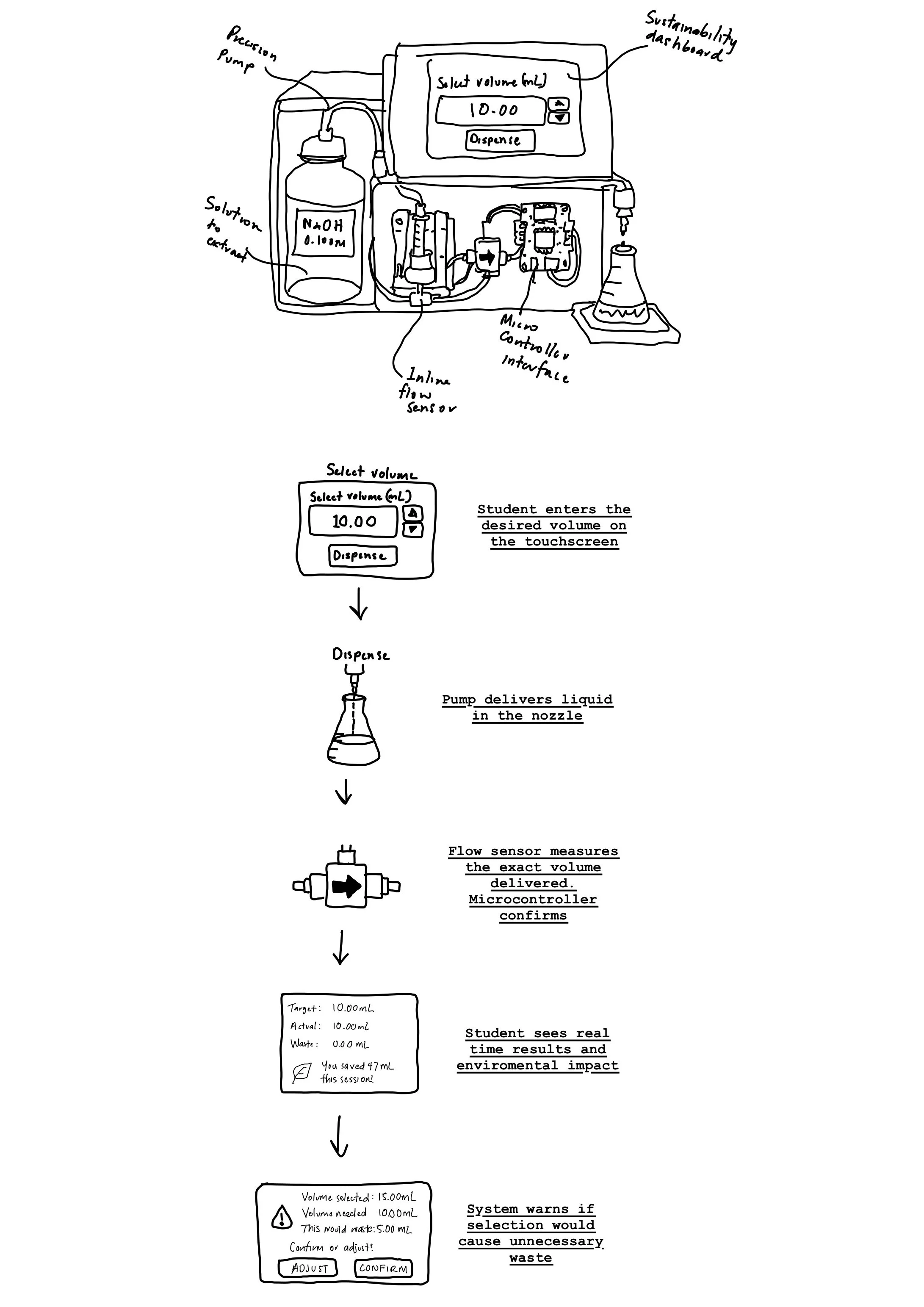
Figure 2: Conceptual design of EcoDose, a proposed smart dispensing system integrating precision pumps, flow sensors, and real-time sustainability feedback for undergraduate teaching laboratories. (Illustration by Tanvi, 2026)
Challenges and Limitations
No conceptual design is without problems. EcoDose faces several real hurdles.
Bringing a digital, automated intervention into a traditional chemistry setting introduces friction across financial, mechanical, and educational domains. To evaluate whether this prototype can realistically scale from a concept into an operational teaching tool, its primary constraints must be categorised and addressed systematically.
Cost: While individual components are cheap, outfitting an entire teaching laboratory with twenty-four student stations would require significant upfront investment. Each station might cost several hundred dollars. For a university already struggling with budgets, this is a barrier.
Maintenance: Pumps wear out, sensors need calibration, different reagents have different viscosities and chemical compatibilities. A hydrochloric acid-compatible pump might fail with organic solvents [3]. Technical staff would need training and time to maintain the system.
Pedagogy: Some educators would argue that students need to learn manual pipetting. It is a fundamental skill. EcoDose should not replace manual technique entirely. Instead, it could be used for routine solvent transfers while retaining manual pipetting for critical measurements. A hybrid model may be best.
Student behaviour: A system only works if students use it correctly. Bypassing EcoDose and pouring directly from the reagent bottle must not be an option. This requires lab design changes and enforcement.
Why This Matters for Sustainability
The environmental case for EcoDose is straightforward. Less chemical waste means less hazardous disposal, lower manufacturing emissions, and fewer resources extracted. A 50% reduction in reagent use across a large teaching laboratory would save thousands of dollars and hundreds of kilograms of waste annually. But the educational case is equally important. Students trained with EcoDose would internalise the habit of using exactly what they need. They would see, in real time, the environmental consequences of their choices. When these students move into research laboratories or industry jobs, they would carry those habits with them.
Sustainability in science is not only about inventing greener technologies. It is about training scientists to think sustainably from their very first laboratory experience.
This formative shift underscores why targeting the physical university environment is so vital. The habits established at an undergraduate workbench act as the foundation for a scientist's entire professional career. By redesigning these early workspaces to champion mindfulness, institutions can ensure that ecological responsibility becomes an unshakeable, foundational instinct for the next generation of researchers.
Figure 3: Teaching laboratories shape the habits of future scientists, making them a critical site for embedding sustainable laboratory practices
(Image source: Pixabay)
Conclusion
Teaching laboratories are where scientists learn their craft. They are also where scientists learn their habits. If we train students in an environment where over-pouring is normal and waste is invisible, we should not be surprised when those students become researchers or industry chemists who do not prioritise sustainability.
EcoDose is one small proposal. It does not solve climate change. It does not fix the global plastics crisis, but it addresses a specific, measurable problem: reagent waste in undergraduate teaching labs. By combining precision dispensing with live educational feedback, it could reduce waste, save money, and train a generation of scientists who see sustainability not as an add-on, but as a core part of laboratory practice. The technology to build EcoDose already exists. The components are off-the-shelf. The missing piece is the will to redesign how we teach laboratory science. That is a challenge not of engineering, but of priorities. My SUSTAIN 200 coursework taught me that sustainability is not a single action. It is a collection
of small, deliberate choices. Choosing to walk instead of drive, choosing to refill a bottle instead of buying a new one, choosing to measure carefully instead of over-pouring. EcoDose is designed to make that last choice easier. And if enough small choices add up, maybe the laboratories that train future chemists can also model the sustainable practices those chemists will one day be expected to lead.
This strategy is not an untested theory; it is a proven behavioral phenomenon already operating successfully in our everyday campus environments. By documenting the subtle digital nudges that currently encourage sustainability in public university spaces, we can see a clear, working blueprint for how real-time data successfully transforms passive consumers into active, eco-conscious participants.
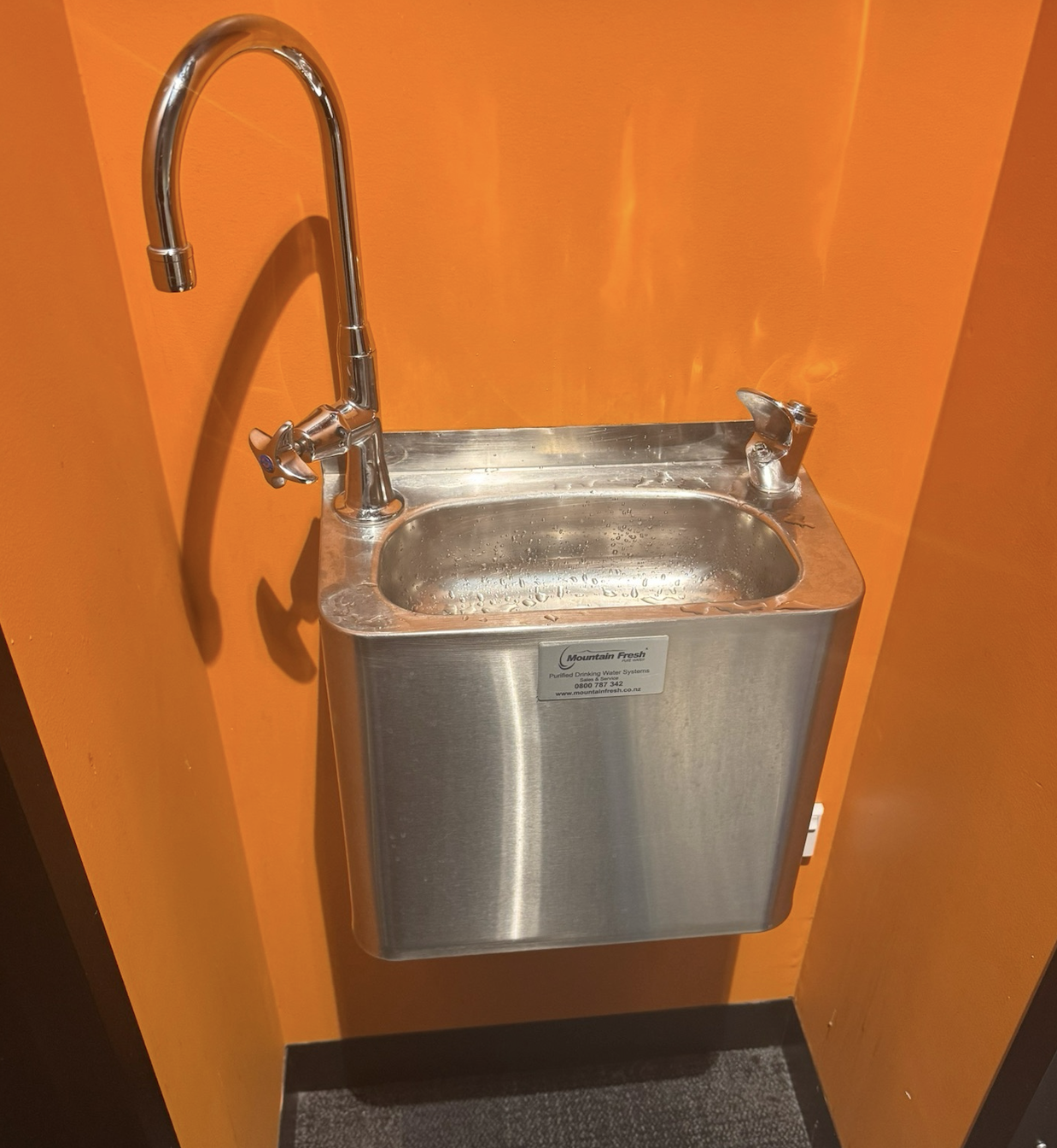
Figure 4: Behavioural feedback systems such as bottle-saving and counters on refill stations demonstrate how real-time environmental metrics can influence user decision-making.
(Photograph by Tanvi, 2026)
[1] G. Tom et al., “Self-Driving Laboratories for Chemistry and Materials Science,” Chemical Reviews, vol. 124, no. 16, pp. 9633–9732, Aug. 2024, doi: 10.1021/acs.chemrev.4c00055.
[2] S. A. Naz et al., “Closed-Loop Control Systems for Pumps Used in Portable Analytical Systems,” Journal of Chromatography A, vol. 1695, p. 463931, Apr. 2023, doi: 10.1016/j.chroma.2023.463931.
[3] A. Votta, “The Impact of Chemical Compatibility on Diaphragm Pump Lifespan,” Walchem, Sep. 8, 2023. Accessed: May 15, 2026. [Online]. Available: https://www.walchem.com/the-impact-of-chemical-compatibility-on-diaphragm-pump-lifespan/
Tanvi is a Bachelor of Science student majoring in chemistry at the University of Auckland. She enjoys exploring scientific ideas through research, with particular interests in chemistry and emerging technologies. This article was inspired by sustainability observations completed as part of her undergraduate studies.